
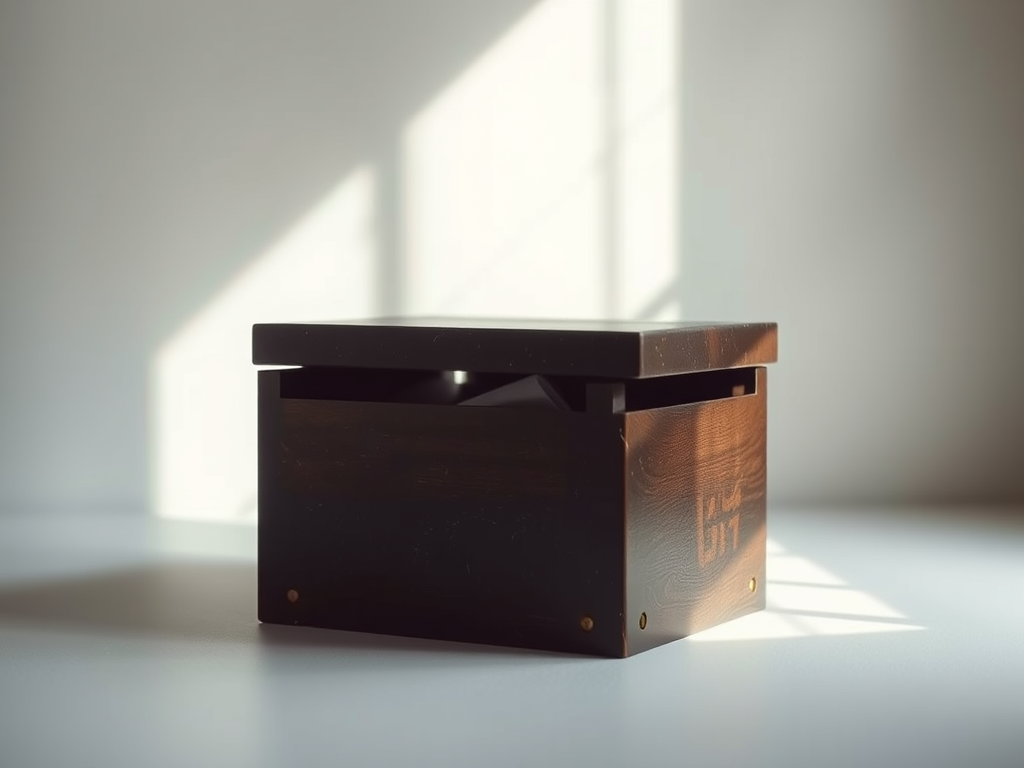
We only need to “Think outside of the box” when the content of the box fails,
Hi guys.
We are back at it again as of this Thursday, so here is something to think about to get the juices flowing.
A continuation of the question , “Are we playing or are we training”?
First up a couple of seed thoughts to stick in a corner of your head and allow to grow.
#1. When we do not remember something, for that moment in time we do not know it”
#2. All training is task-specific.
When we find ourselves forgetting something, it is the same thing as not being able to find a file on our computer; we know it is there somewhere, but no keyword in the search bar brings results.
This is what I was getting at in the last post when I was bringing up “Information Theory”.
How we organise incoming information, “Colation”, and how we store that information, “Memorise”, determines how we recall the information “Remember”.
It is overlooked how important memory is to our training; in fact, it is taken for granted.
Do we understand how memory operates?
When I first researched this topic, it completely changed how I approached all of my training, and instantly improved it out of sight.
Short-term memory is where we hold working information at the time we are doing it. It only holds a very small amount of information, calculated as being as little as 7 items, and then it is shunted away to long-term memory for storage and later retrieval.
How does this impact “playing over training”?
The difference is how we remember the event we were involved in.
When we describe a hectic sparring session to a friend, we will describe it along the lines of it as being hectic, we were all bouncing off the wall, fists and feet flying everywhere, it was insane fun.
This is us remembering a feeling.
However, if we explain to a classmate who missed a session what we did, we talk about specific movements, we talk about applications of the technique, and we talk about physical drills that repeat these techniques.
As a basic yardstick, when we play, we remember the feelings we had while playing, and when we are training, we remember the specifics of the lesson.
If we are hoping for something from our long-term memory, “Kicking in” while we are deep in a shit storm, which one of these memories gives us the best chance of survival?
Playing is important and teaches valuable lessons, but the lesson it teaches is not what people think.
Training is order, training is process, training is repetition, training is setting boundaries, “Thinking and working inside of the Box”.
Playing is everything that training is not; it is chaos, playing is making things up on the run, being creative, everything is original and never repeated, total “thinking outside of the Box”.
We only need to “Think outside of the box” when the content of the box fails, and the real value of thinking outside of the box is not the content of the thinking; it is the freedom from being trapped in the box, the ability to re-orient once the box fails.
But first we need the box.


 Wing Chun Sydney, Australia